What Makes Czech Glass Special: A History of Bohemian Glass
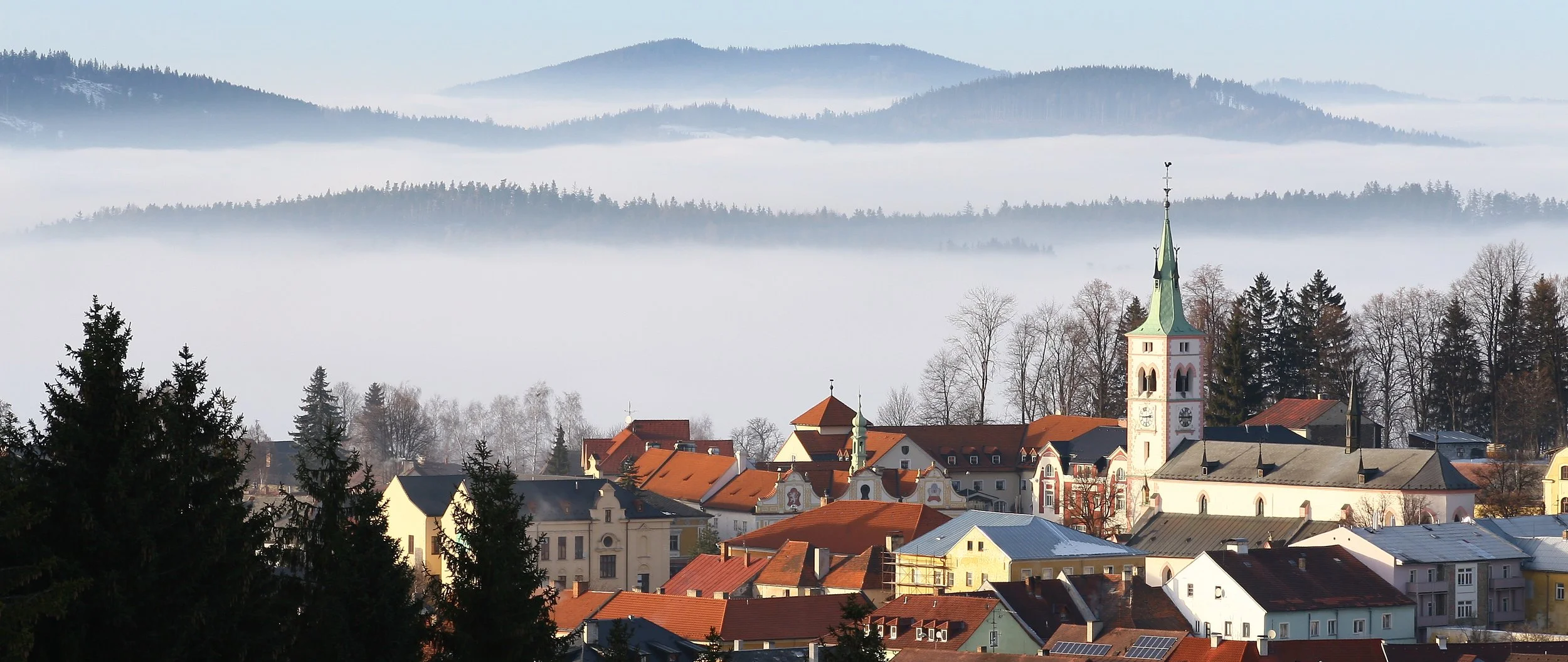
Town of Kašperské Hory with St Margaret church as seen from the Liščí vrch Source
By Margaret
I LOVE a good piece of Czech glass jewelry. I can spot it from across the room. In my opinion, it’s just on another level, and makes the piece really stand out.
But have you ever wondered why the Czech region? Why glass of all things? Why did they become famous for it? The answer is the result of centuries of experimentation, craftsmanship, and tradition.
So how did a relatively small region in Central Europe become one of the most important glassmaking centers in the world?
Let's go back to the beginning.
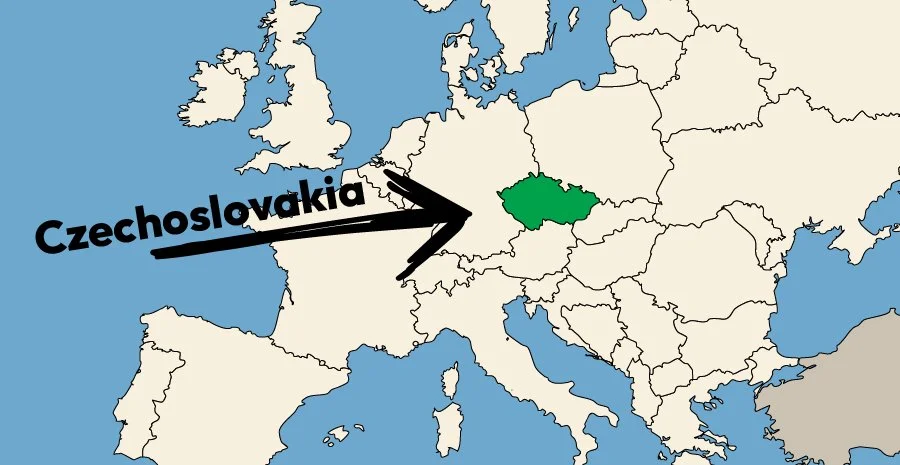
The Forests of Bohemia
The story of Czech glass begins in what was historically known as Bohemia, a region that today forms much of the western part of the Czech Republic. Glassmaking began developing there during the Middle Ages, with evidence of glass production dating back to at least the 13th century. There was a very practical reason glassmakers were drawn to the region: the forests.
Early glassmaking required enormous amounts of fuel. Furnaces had to reach extremely high temperatures, and wood was the primary fuel. The forests of northern Bohemia provided plenty of it. The region also had many of the other materials needed to make glass, including silica-rich materials, limestone, and wood ash. Streams and rivers provided water for the growing industry and, eventually, for machinery used to grind and polish glass. In other words, Bohemia turned out to be a pretty perfect place to make glass.
The earliest glass produced there wasn't necessarily the brilliant, jewel-like material we think of when we hear "Czech glass." Medieval glass often had a greenish or yellowish cast because of impurities in the raw materials. But the artisans kept experimenting, and they got very good at it.
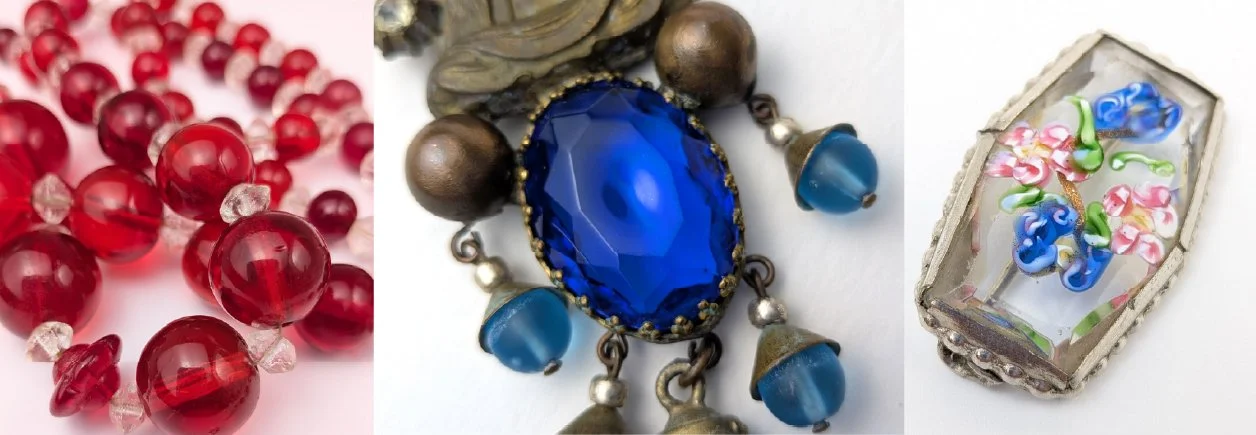
Czech glass
From simple glass to something extraordinary
Over the centuries, Bohemian glassmakers developed techniques that would eventually make their work famous throughout Europe.
One of the things that really set them apart was their ability to cut and engrave glass.
During the Renaissance, glassmakers in Bohemia were influenced by techniques from other parts of Europe, including Italy. Prague became an especially important artistic center during the reign of Emperor Rudolf II in the late 16th and early 17th centuries. Rudolf II was a great patron of the arts, and artists, craftsmen, scientists, and collectors were drawn to his court.
Among them was an engraver named Caspar Lehmann.
Lehmann had worked with precious stones, and he brought those skills to glass. Instead of treating glass as merely something to be blown into a vessel, craftsmen began treating it more like a gemstone that could be carved, engraved, and transformed. That idea would become enormously important to the future of Bohemian glass.
The birth of Bohemian crystal
During the late 17th century, Bohemian glassmakers developed a clear, hard type of glass that became known as Bohemian crystal. It wasn't crystal in exactly the same sense that people today sometimes use the word to describe lead crystal. Rather, it was an especially clear and hard glass that could be cut and polished beautifully- and that hardness mattered. It meant that craftsmen could cut the surface deeply and create intricate patterns of facets. When light hit those facets, the stone would sparkle brilliantly. Suddenly, glass could look just like a precious gemstone.

Art Deco Amber Czech Glass
Cutting glass like a gemstone
Czech glassmakers became famous for cutting, faceting, and polishing glass just like gemstones, which naturally led to the glass being used in jewelry. In fact, one of the advantages of glass over gems was a huge variety of colors.
Becoming very inventive with color, they produced glass in rich reds, greens, blues, purples, ambers, smoky tones, opalescent colors, and countless combinations that could be cut and polished into beautiful little jewels.
By the 18th century, northern Bohemia had become an important center for glass beads and glass jewelry. One of the most important places was the region of Jablonec, which would become internationally known for its glass beads and jewelry. (If you've never seen glass buttons from Jablonec, look them up - they are tiny works of art!)
Why Czech glass became so popular
To recap, there wasn't just one reason for the success of Czech glass. Instead, it was the combination of several things. First, the geography - the forests and raw materials.
Second, the accumulated knowledge passed from one generation of glassmakers to the next, along with their willingness to experiment with new techniques and art forms.
Lastly, those artisans focused especially on what could be done with light and how to maximize the sparkle and impact.

Multi Color Czech Glass
The Czech glass jewelry we find today
This is one of my favorite things about collecting antique and vintage jewelry: You can hold a piece of old Czech glass in your hand and see something that may have been made by a craftsman working within a tradition that had been developing for centuries. It may have traveled from a glassmaking town in Bohemia into the international jewelry trade.
It may have been incorporated into a necklace or brooch, worn by someone whose name we'll never know, put away in a jewelry box, passed through several hands, and eventually found its way to us.
That's the magic of antique jewelry. They’re little pieces of history with stories worth telling!